Remember Loved Ones at a Community Ofrenda among the Trees
Dia de los Muertos—the Day of the Dead—is a celebration of memory and connection that has roots thousands of years deep in the cultures of Mexico and Mesoamerica.
Each year on November 1 and 2, a time when the worlds of the living and the dead are believed to intersect, families gather to share stories, pictures, and music, and to feel the spiritual presence of those who have passed on. A focus of each family’s memories and feelings is the ofrenda, or altar, where they gather offerings to welcome the souls of loved ones.
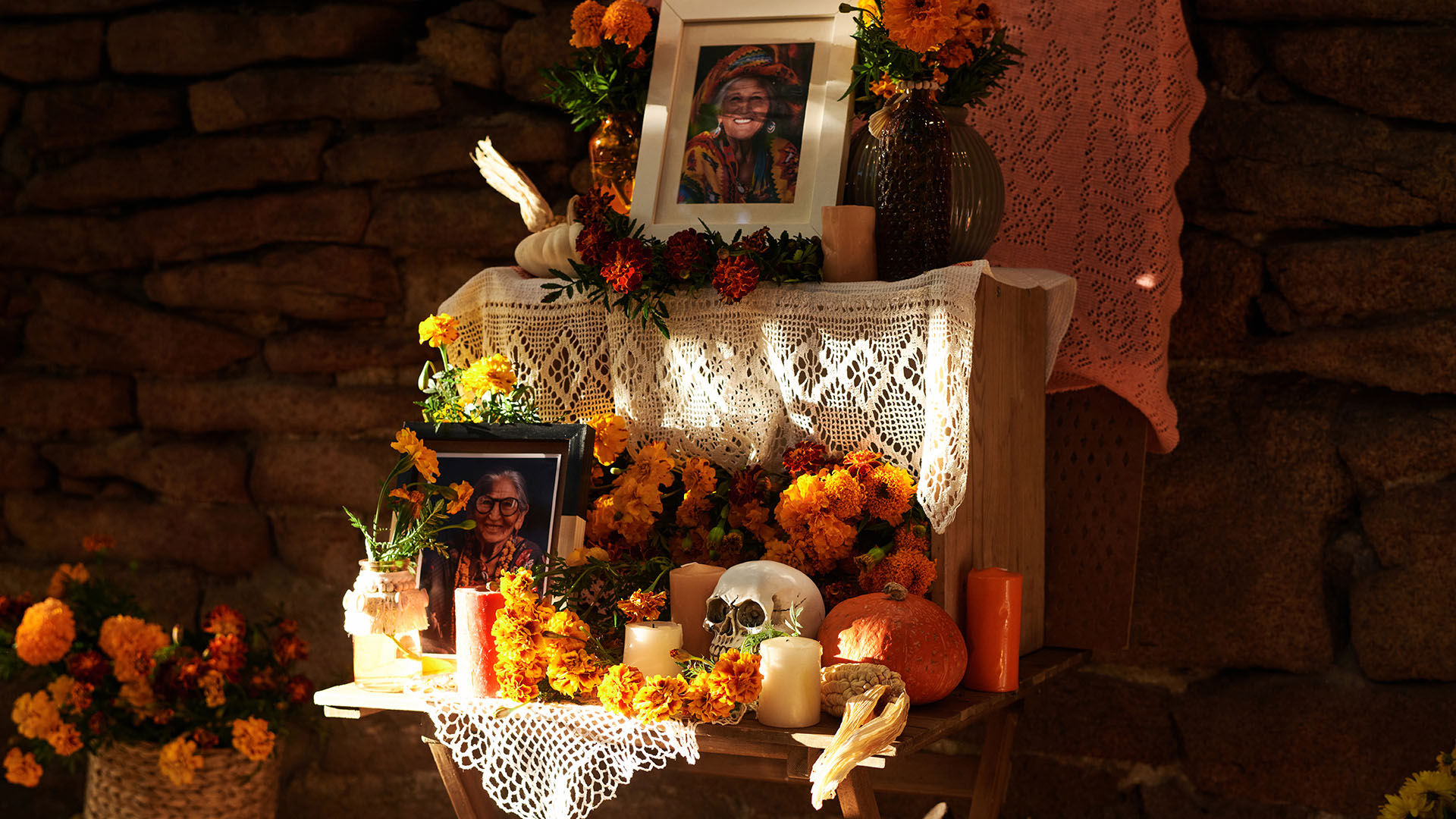
An ofrenda is meant to celebrate the life, identity, and stories of those who have become ancestors. Items placed on the ofrenda can be symbolic, or they can be objects that held deep significance to the departed.
Once the altar has been created, it is said to guide the ancestors’ spirits so they can return to the physical world to join the living for convivio, a celebratory gathering. These rituals make it easier to share grief with family and friends, to fortify their love and the memory of those who have gone.
This year, The Morton Arboretum will host a community ofrenda, and everyone is welcome to contribute. Crafted from Arboretum wood and decorated with cempasúchil (marigolds) and offerings to the departed, it will be on display at the Visitor Center from Monday, October 26, through Monday, November 2.
You can contribute to the ofrenda to remember friends or family members who have passed. Write a note or draw a picture with provided supplies to reconnect with friends or family members who have passed. Small objects of the type often used in Mexican ofrendas will be available for purchase at The Arboretum Store. (Note that any items left cannot be returned when the ofrenda is removed after November 2.)
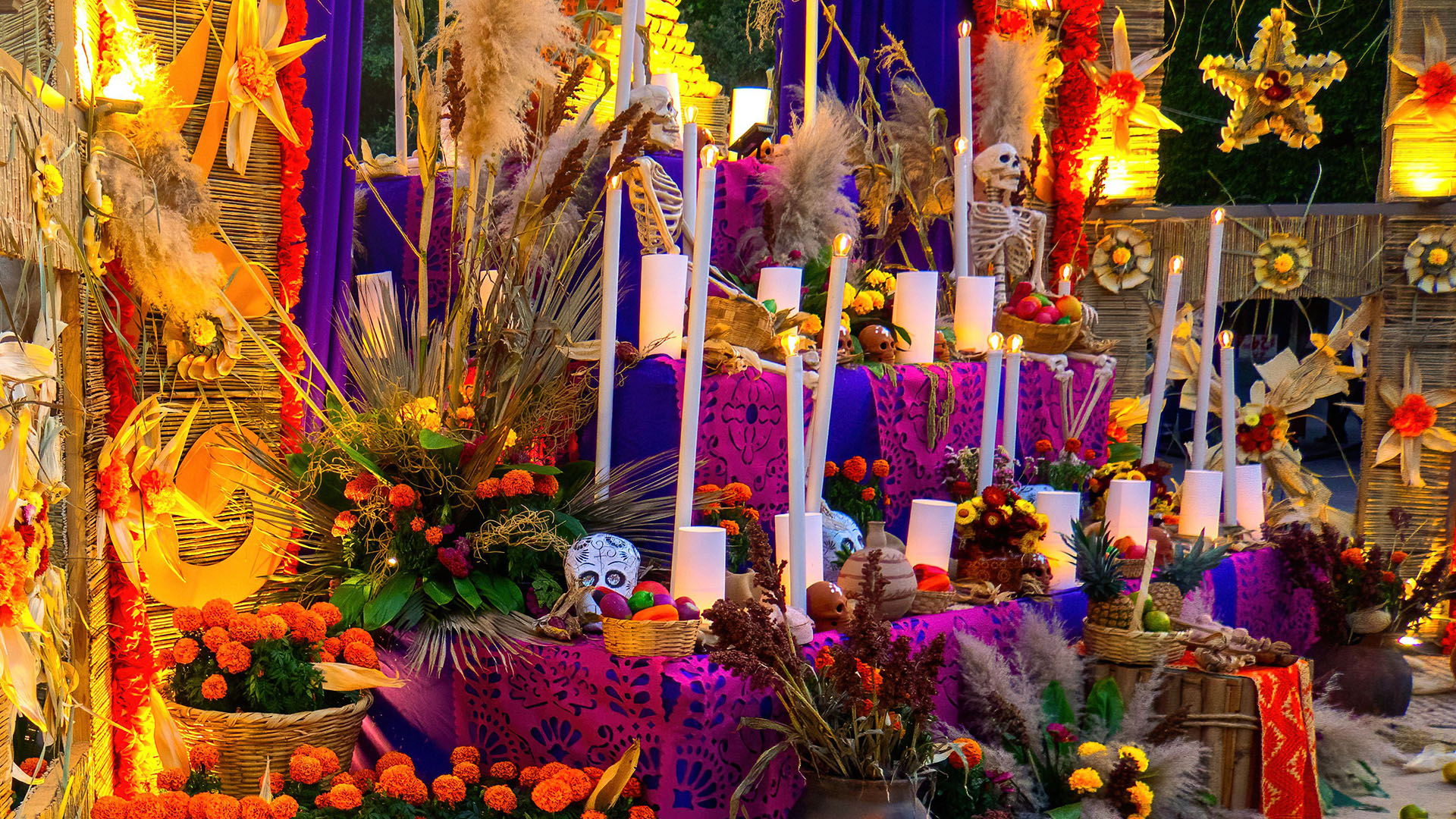
At home, an ofrenda can be as simple as a candle and a photo. Candles are always part of an ofrenda, representing light, love, and remembrance. The altar may also include keepsakes, photos, or small toys for the spirits of children. Pan de muerto (bread of the dead) is a sweet bread offered to nourish visiting spirits. Families may offer fruits as symbols of abundance or favorite foods of their loved ones.
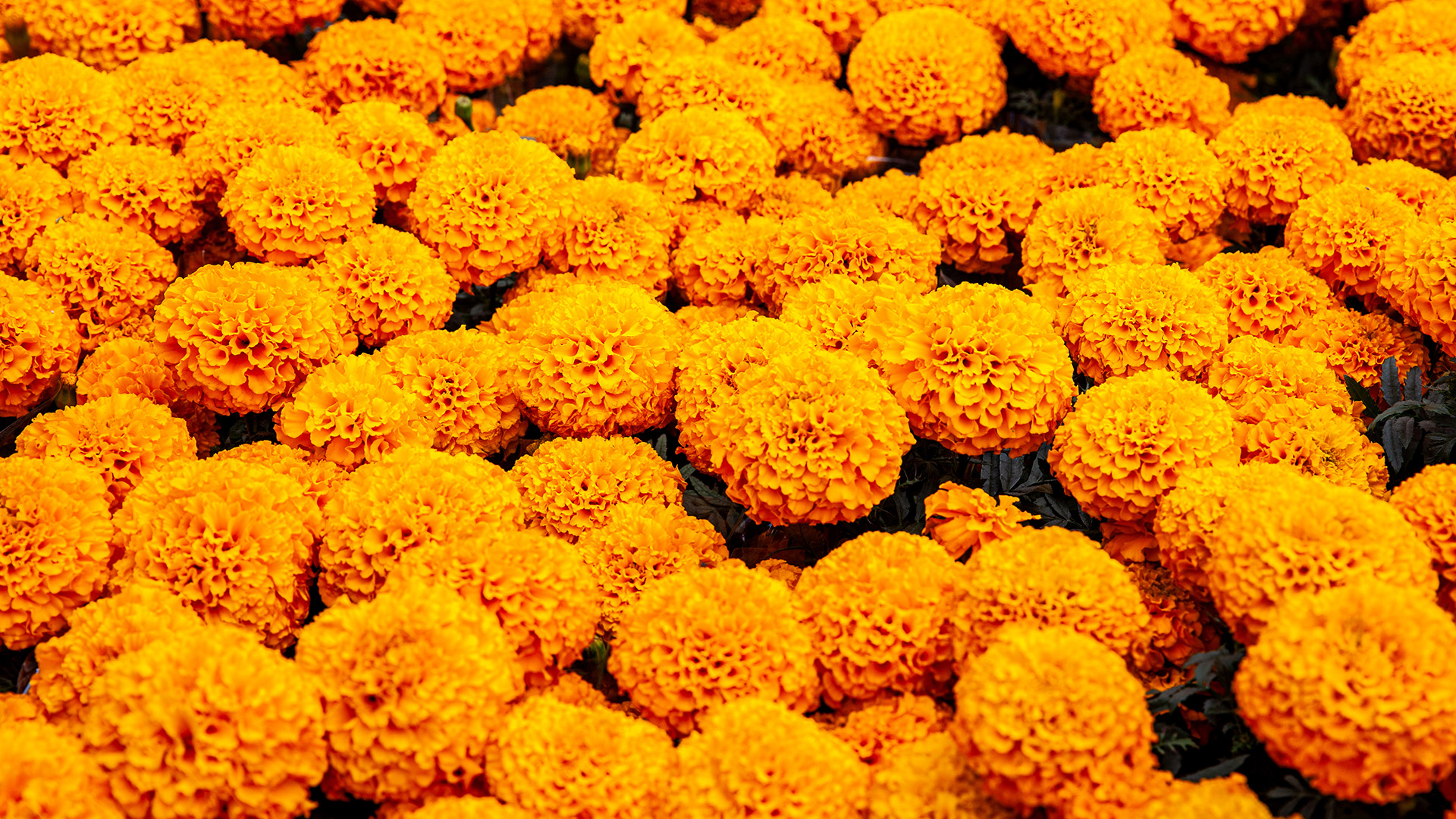
Cempasúchil (marigolds) are a part of the ofrenda because their bright color and strong fragrance are believed to guide spirits back to the world of the living. The fragrant smoke of incense or copal symbolizes the passage between life and death, and is traditionally used to cleanse the space of negative energy.
Calaveras, skulls made of sugar or chocolate, represent loved ones who have died and the idea that death is part of life. Colorful cut-paper banners called papel picado evokewind and the fragility of life. Their movement in the breeze can symbolize the presence of visiting spirits.