Content Detail

American hazelnut is a thicket-forming native shrub, excellent for naturalizing, woodland gardens and shade areas. Showy male flowers (catkins) add early spring interest and dark green leaves turn a beautiful kaleidoscope of colors in the fall. The nuts mature from September to October, attracting seed-eating birds, such as blue jays and woodpeckers.

This species is native to the Chicago Region according to Wilhelm and Rericha’s Flora of the Chicago Region.

  • Family (English) Birch
  • Family (botanic) Betulaceae
  • Tree or plant type Shrub
  • Foliage Deciduous (seasonally loses leaves)
  • Native locale Chicago area, Illinois, North America
  • Size range Medium shrub (5-8 feet), Large shrub (more than 8 feet)
  • Light exposure Full sun (6 hrs direct light daily), Partial sun / shade (4-6 hrs light daily)
  • Hardiness zones Zone 4, Zone 5 (Northern Illinois), Zone 6 (City of Chicago), Zone 7
  • Soil preference Moist, well-drained soil
  • Other tolerances Alkaline soil, Occasional drought
  • Season of interest early spring, late summer, early fall
  • Flower color and fragrance Yellow
  • Shape or form Multi-stemmed, Round, Thicket-forming
  • Growth rate Fast, Moderate
Size and Form:  

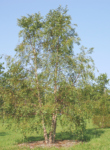
A thicket forming, multi-stemmed shrub with a rounded habit, it grows 6 to 10 feet high and 4 to 6 feet wide.

Native geographic location and habitat:

C-Value: 5. American hazelnut is found as an understory plant and along wood edges in eastern North America and Canada.

Pollinators and wildlife:

Seed eaters, such as blue jays and woodpeckers, are attracted to this plant.

Leaf or needle arrangement, size, shape, and texture:

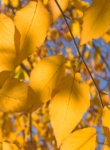
Simple, alternate leaves are ovate to heart-shaped with a toothed margin. Green in summer, they have some mild yellow fall color.



Flower arrangement, shape, and size:

Showy, yellow male flowers are borne in pendulous catkins; tiny pink females show at the end of branches.  

Fruit, cone, nut, and seed descriptions: 

Edible hazelnuts (filberts), which mature from September to October are enclosed in a frilly husk.

Plant care:

American hazelnut is a long-lived plant adaptable to a wide variety of habitats. Although it is best in full sun, it is tolerant of part shade. It is also tolerant of a wide range of soil pH in well-drained, loamy soil. Prune unwanted suckers to maintain size and shape.

List of pests, diseases, and tolerances:

American hazelnut is susceptible to Japanese beetles, scale insects, and filbert blight.

Donate

Your support is vital to the Arboretum, where the power of trees makes a positive impact on people’s lives.

Make a gift