Plants Tolerant Of Black Walnut Toxicity
Tagged as: Black Walnut, Toxicity
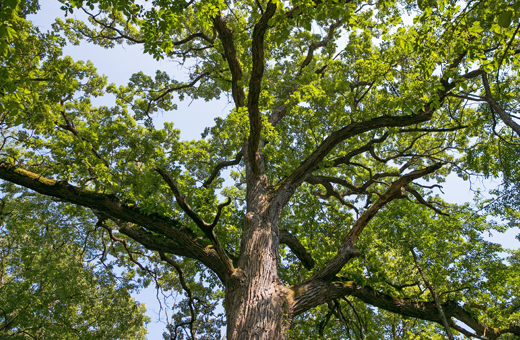
Black walnut (Juglans nigra) is considered one of our most valuable native hardwood lumber trees and is often used in large scale landscapes. However, in the smaller-scale home landscape, the leaves and fruits are considered by some to be a messy nuisance. Furthermore, while many plants can grow well in proximity to a black walnut, there are certain plant species whose growth is inhibited by this tree. The term ‘allelopathy’ refers to the relationship between plants in which one plant produces a substance that inhibits the growth of sensitive plants nearby.
SOURCE OF TOXICITY
Black walnuts produce a chemical called juglone, which occurs naturally in all parts of the tree, especially in the buds, nut hulls, and roots. The leaves and stems contain smaller quantities of juglone, which is leached into the soil after they fall. The highest concentration of juglone occurs in the soil directly under the tree’s canopy, but highly sensitive plants may exhibit toxicity symptoms beyond the canopy drip line. Because decaying roots can release juglone, toxicity may occur for several years after a tree has been removed.
Other trees closely related to black walnut, such as butternut, pecan, shagbark hickory, and English walnut also produce juglone, but at concentrations lower than black walnut. Rarely do these trees affect juglone-sensitive plants.
SYMPTOMS
Most toxicity symptoms arise when juglone-sensitive plants are placed within the walnut’s root zone, an average of 50-to-60 feet from the trunk of a large tree. Plants sensitive to juglone show signs of wilting, yellow leaves, stunted or slow growth, and eventually death. Many highly sensitive plants cannot tolerate even a small concentration of juglone and die within a few months. Unless one is aware of the toxicity problem, it is easy to blame these symptoms on other disease or nutritional problems. Unfortunately, there is no cure once plants are affected.
PLANTS SENSITIVE TO BLACK WALNUT TOXICITY
Annuals and vegetables: asparagus, cabbage, eggplant, flowering tobacco, pepper, petunia, potato, tomato
Herbaceous perennials: autumn crocus, baptisia, columbine, lily (Asian hybrids), peony, rhubarb
Shrubs: blueberry, red chokeberry, cotoneaster, Amur honeysuckle, hydrangea, lilac, privet, potentilla, rhododendron, yew, and some viburnum shrub species
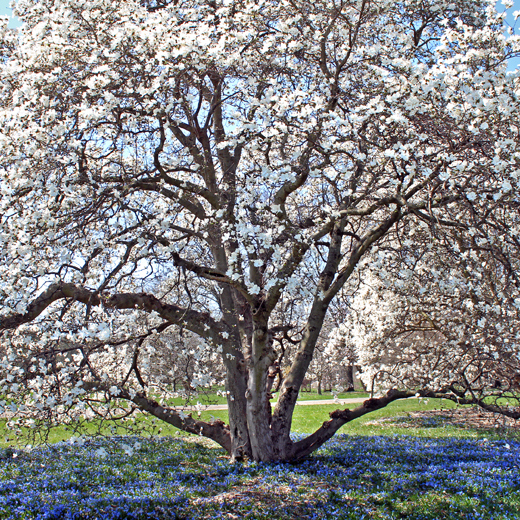
Trees: European alder, white birch, crabapple species, hackberry, larch, linden, saucer magnolia, mugo pine, red pine, white pine, Norway spruce, silver maple, and some viburnum tree species
CONTROL
Juglone-sensitive landscape plants should be located away from black walnut trees to avoid damage. Raised beds near trees will help minimize toxicity, but care should be taken to keep leaves, twigs, branches, and nuts out of the bed. Black walnut leaves, bark, and wood chips should not be used as landscape mulch or composted on garden plants. The best alternative is to choose plants from the inside chart.
PLANTS TOLERANT OF BLACK WALNUT TOXICITY